
How to Become an Interior Designer
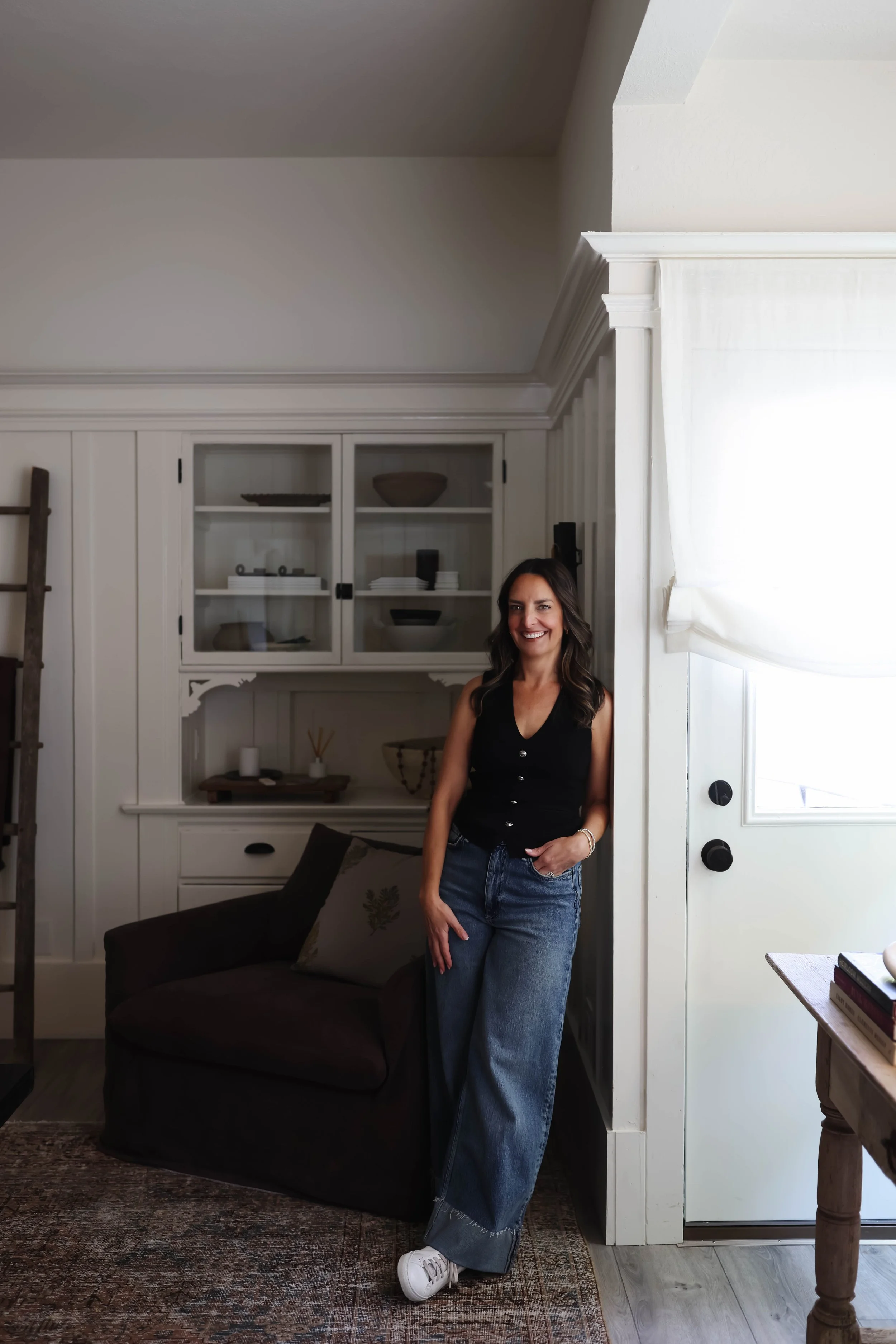
Hello! Over the course of running my own interior design firm for the last 12 years, I frequently get asked about how I got my start in the industry. Today I wanted to share a real-world guide to becoming a designer — covering education, internships, construction knowledge, and what it actually takes to build a successful design career. I hope this is helpful, and please share this post with anyone whose considering interior design as a career path!
How to Become an Interior Designer
The real version—no fluff
So, you want to become an interior designe?
I love that. It’s an incredible career—but I’m going to be honest with you, it’s not just pretty fabrics and Pinterest boards. It’s long days, problem solving, managing people, budgets, timelines… and yes, a lot of really beautiful moments in between.
I got into this industry back in 2000, when I studied at the Design Institute of San Diego. This was pre-everything-digital—we were hand drafting, sketching, physically thinking through spaces. And I can tell you, that foundation still shapes how I design today.
There are a lot of self-taught designers now, and I respect that hustle. But for me, school gave me a level of technical understanding that I lean on constantly. It taught me how to think—not just how to decorate.
Cutting through the noise, if you’re serious about this career path, here are the top 4 things that really matter:
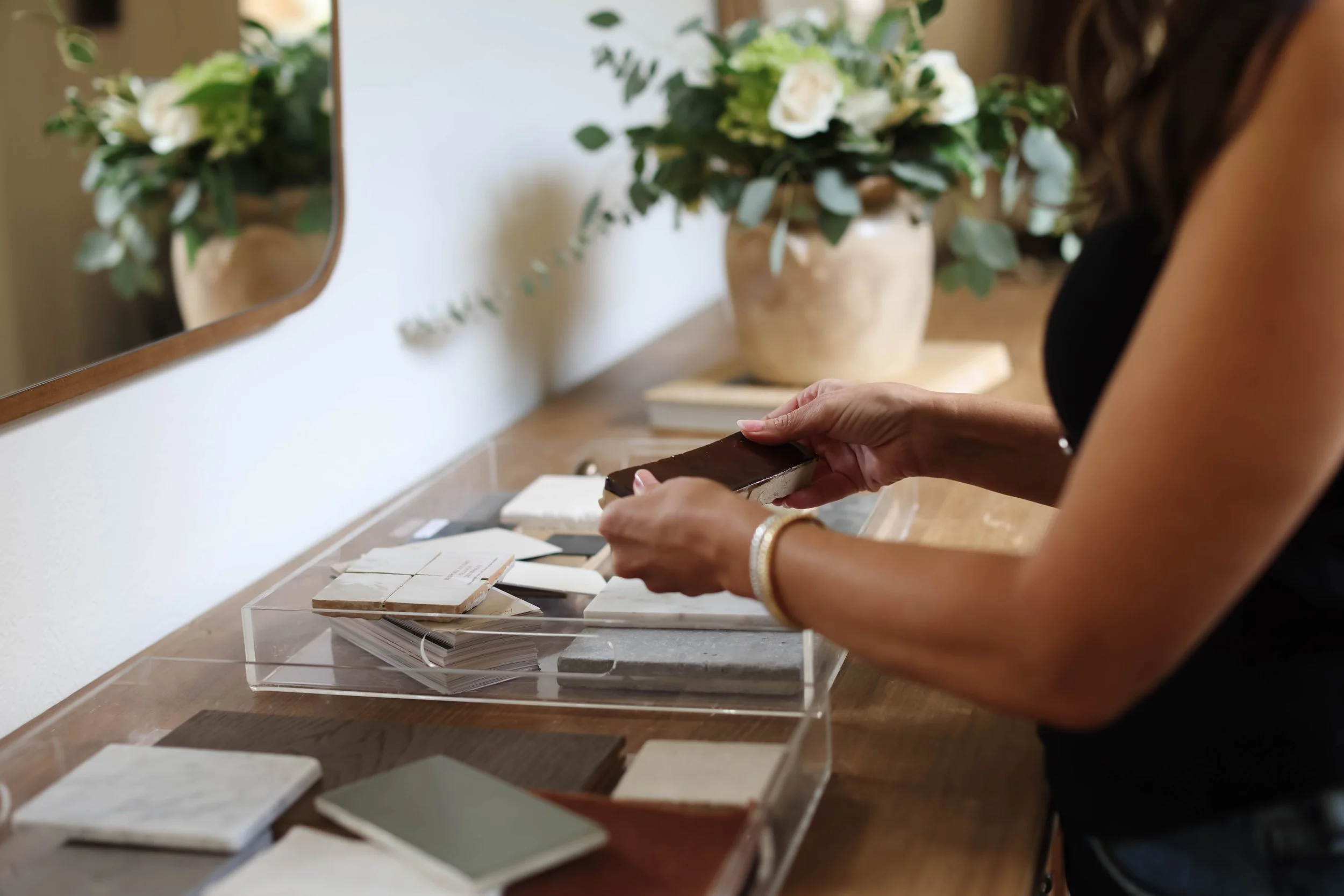
1. Get the Education (and Understand Why It Matters)
You can be self-taught—but you need to be honest about what you’re missing if you skip formal education.
School teaches you:
Scale and proportion
Color theory
Drafting (yes, even if it’s digital / AI now)
Space planning
Codes and technical thinking
That foundation gives you confidence. It allows you to walk into a project and actually lead it, not just style it.
And if you don’t go the formal route? Then you need to work twice as hard to learn those things on your own.
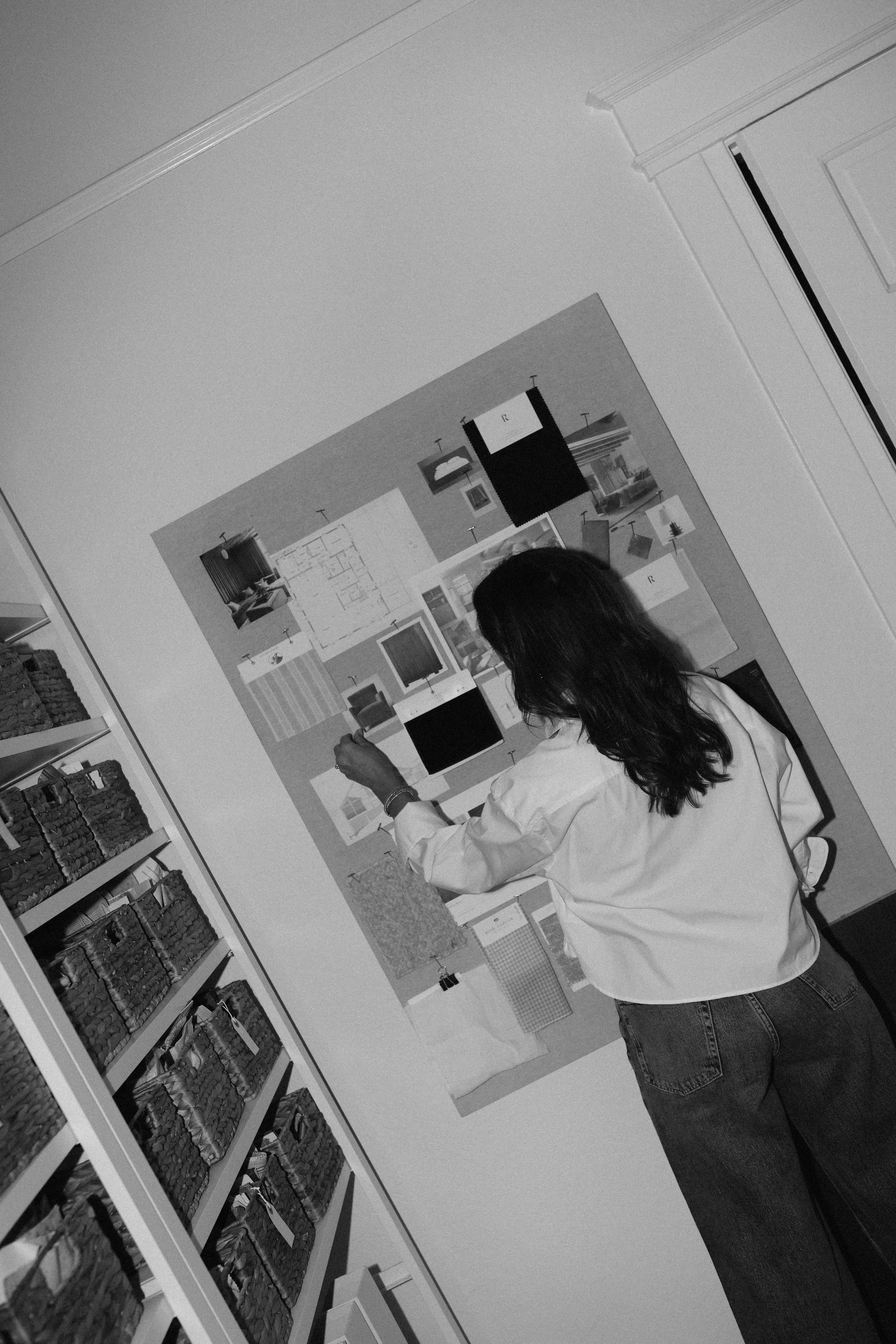
2. Work for Other People (Seriously—Do Not Skip This)
I know everyone wants to start their own thing right away. Don’t.
Working for other designers, architects, or firms is where you:
Learn how projects actually run
See real client dynamics
Understand timelines and mistakes
Figure out what kind of designer you want to be
I worked for small studios and also for an architect, where I was the only interior designer. That experience was everything. It gave me confidence and range.
Learn on someone else’s dime before you take on your own risk.

3. Learn Construction (This Is the Game-Changer)
If you want to be good at this—not just aesthetic—you need to understand how things are built.
I’m talking:
Plumbing
Electrical
Millwork
Installation timelines
How trades interact
Designers are the connector between all of these people. We are basically conducting an orchestra of trades.
And here’s the truth:
If you don’t understand construction, you’re always a step behind.
Go to job sites. Ask questions. Pay attention. This is where you become valuable.
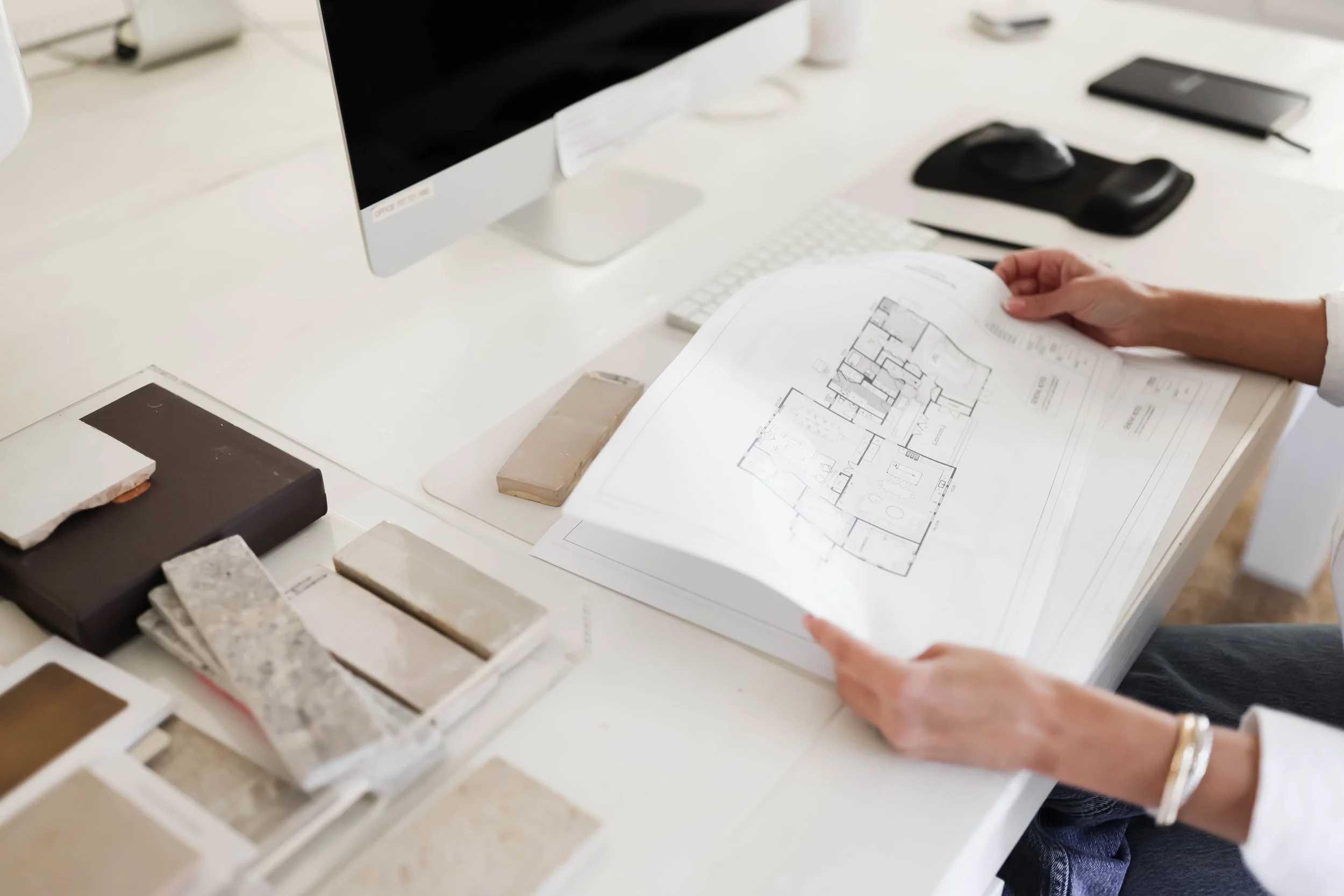
4. This Job Is Hard Work (Like… Really Hard Work)
I don’t think people talk about this enough.
This job is:
Long hours
Constant decision-making
Managing clients, vendors, and contractors
Problem-solving all day long
I’ve worked my ass off to build this career. There’s no shortcut around that.
But if you love it? It doesn’t feel like a grind—it feels like building something meaningful.
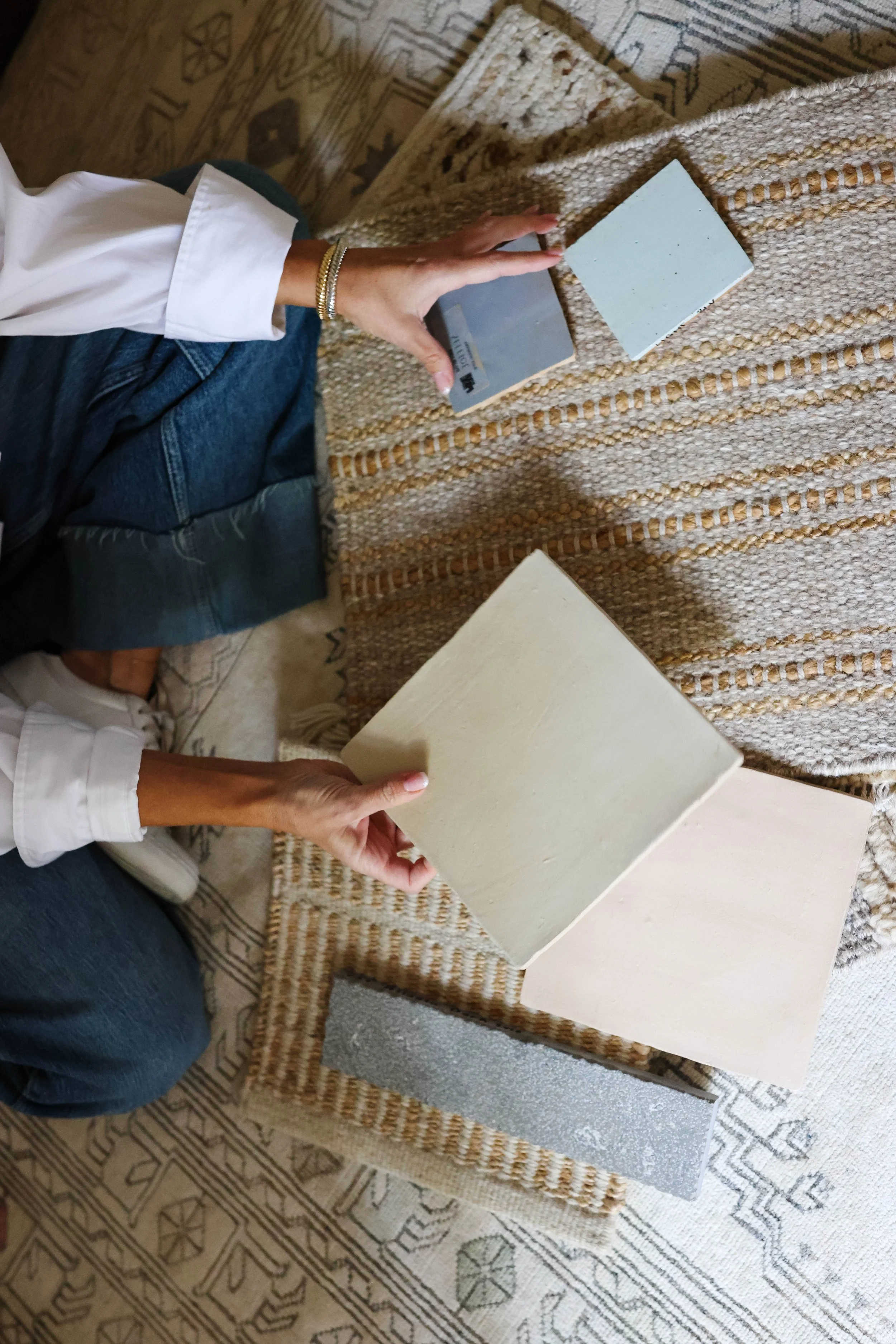
5. Keep Learning + Build Your People
The best designers I know are constantly evolving.
I’m always:
Taking workshops
Learning from peers
Talking with architects and builders
Staying curious
And honestly, your community matters so much. Having other designers and creatives around you to share ideas, troubleshoot, and grow with—it’s everything.
Final Thoughts
Interior design is a layered career. It’s creative, technical, emotional, and strategic all at once.
There’s no one perfect path into it—but the designers who last are the ones who:
Put in the time
Learn the technical side
Stay curious
And aren’t afraid to work really, really hard
If that excites you—you’re in the right place. Need more inspiration? Click below to follow us on Instagram for a look inside some of our past and present projects!