
8 Costly Interior Design Mistakes to Avoid in High-End Homes
Building a luxury home is one of the most significant investments you'll ever make, but creating a truly exceptional home requires more than selecting beautiful finishes and high-end materials. The most successful projects are the result of thoughtful planning, strategic decision-making, and assembling the right team from the very beginning.
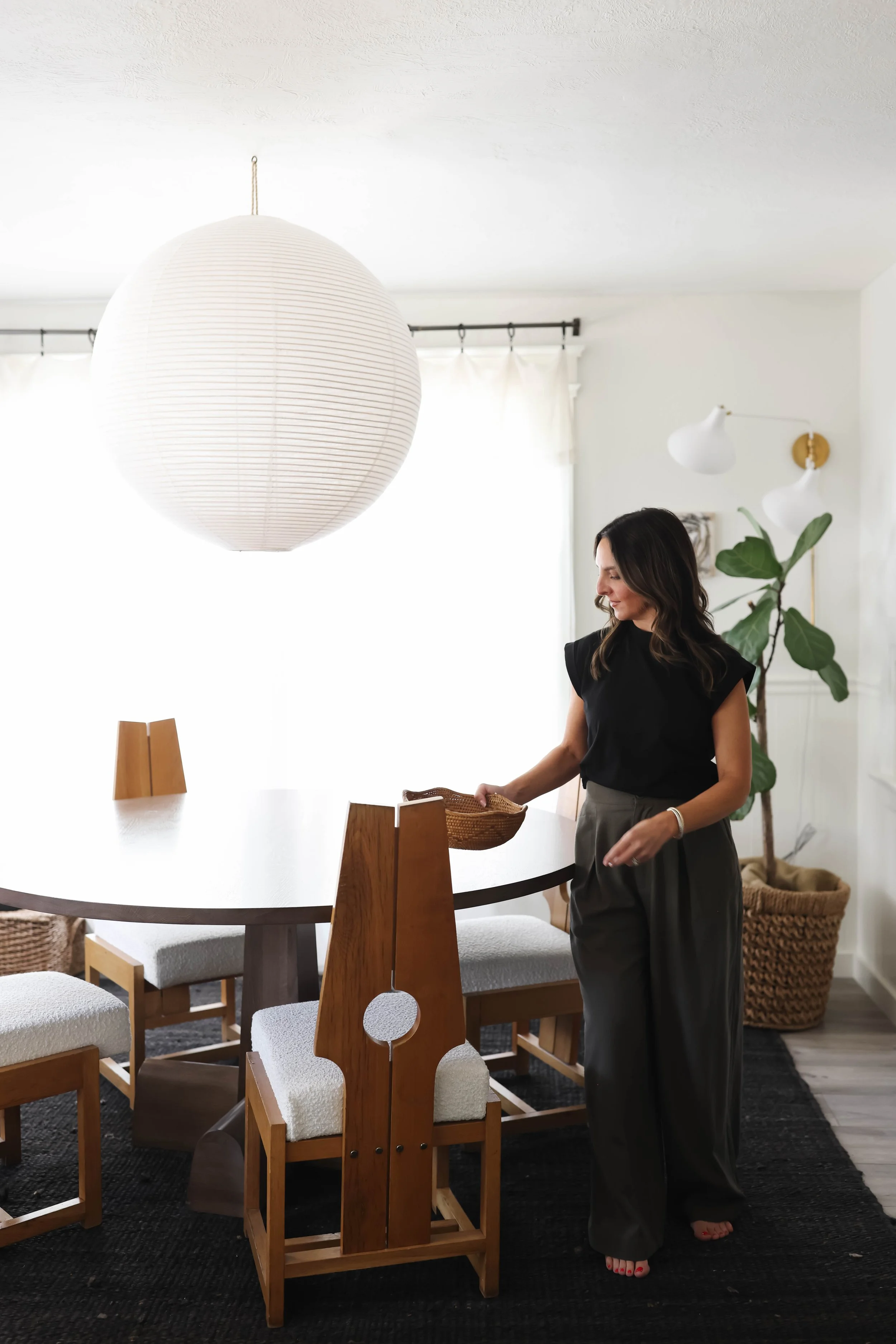
Over the years, we've seen a handful of common mistakes that can lead to unnecessary costs, project delays, and missed design opportunities. The good news is that each of these challenges can be avoided with the right approach. Here are eight of the most common luxury home design mistakes and how to avoid them.
1. Prioritizing Finishes Before Layout and Flow
Luxury homes succeed because they function beautifully, not because they have expensive materials.
Focus first on:
While it's easy to get excited about selecting beautiful materials and finishes, the true luxury of a home comes from how well it functions. Before choosing stone, tile, or fixtures, it's important to consider how you'll move through the home, where furniture will be placed, how you entertain, and whether storage is thoughtfully integrated into everyday living. A well-designed layout creates comfort, flow, and ease because even the most beautiful kitchen won't feel luxurious if it lacks functionality or has poor circulation.
2. Waiting Too Long to Hire an Interior Designer
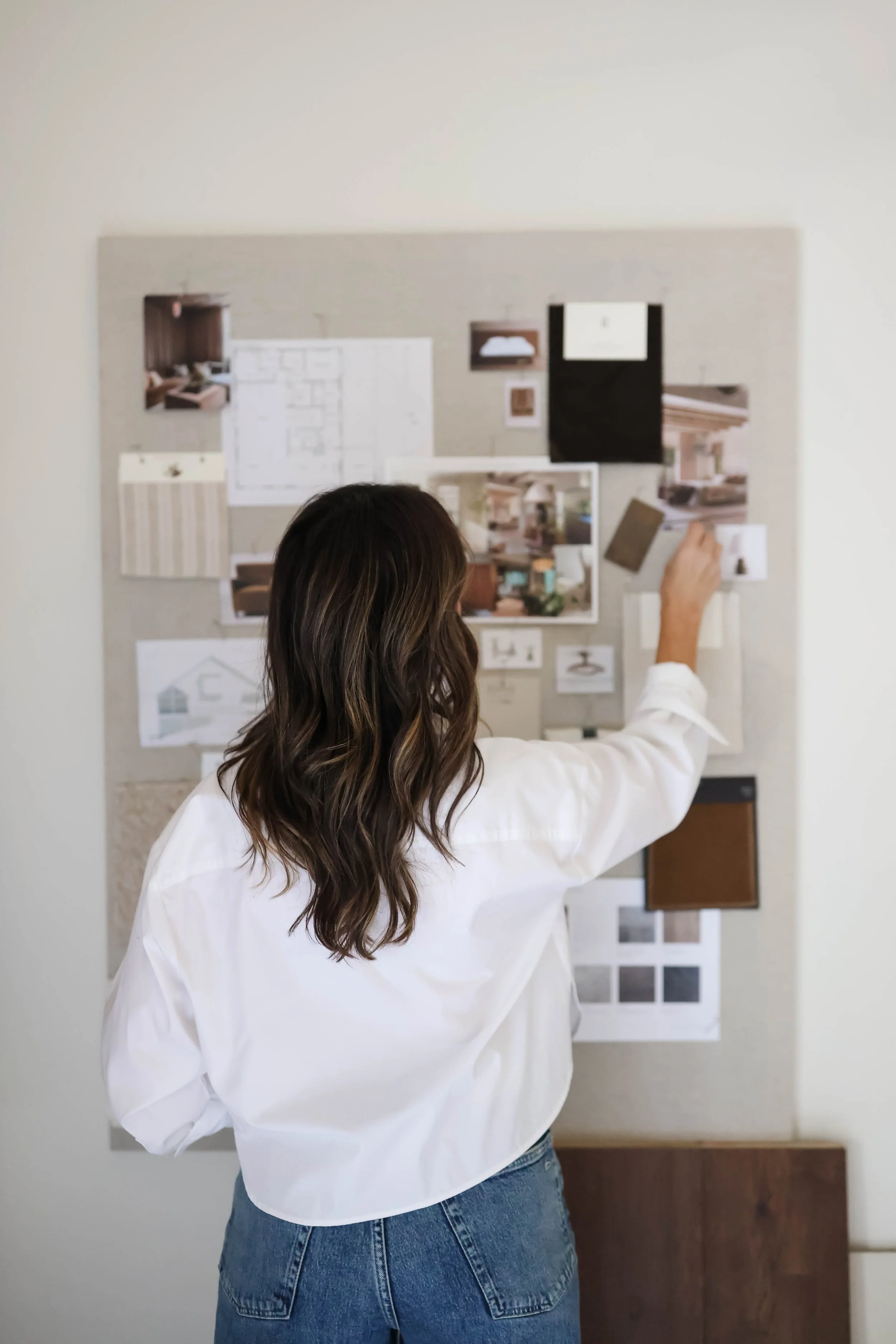
One of the most costly mistakes homeowners make is bringing in an interior designer too late in the process. The earlier a designer is involved, the greater impact they can have on key decisions such as floor plans, cabinetry, lighting, plumbing locations, and architectural details. Early collaboration helps ensure the home functions beautifully as a whole, while minimizing costly revisions and missed opportunities later in the project.
3. Underinvesting in Custom Millwork and Storage
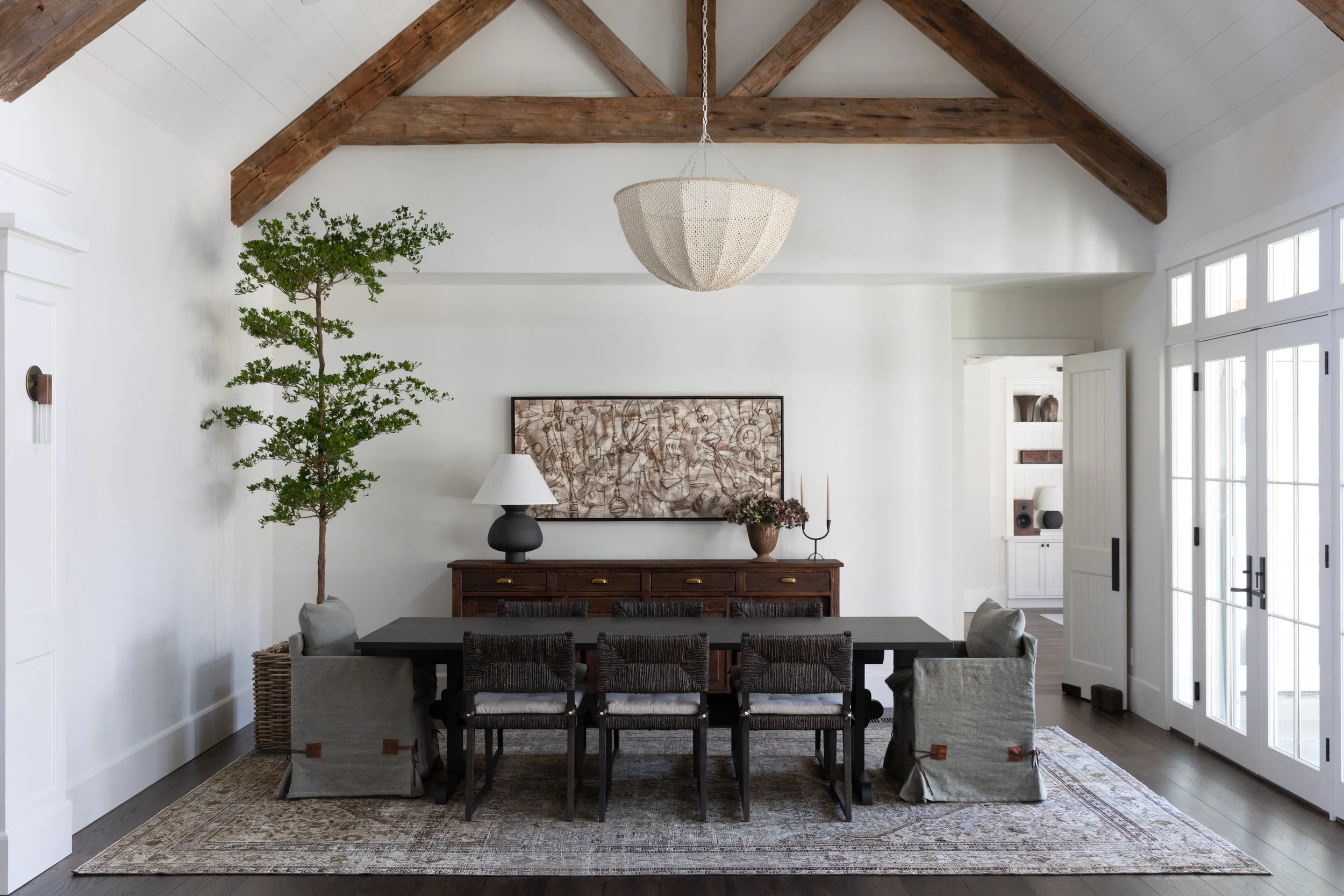
Thoughtfully designed millwork, built-ins, kitchen organization, pantries, closets, mudrooms, and media cabinetry create a sense of order and ease that homeowners enjoy every day. These practical investments often deliver more long-term value than purely decorative upgrades.
4. Choosing Materials That Don't Match Your Lifestyle
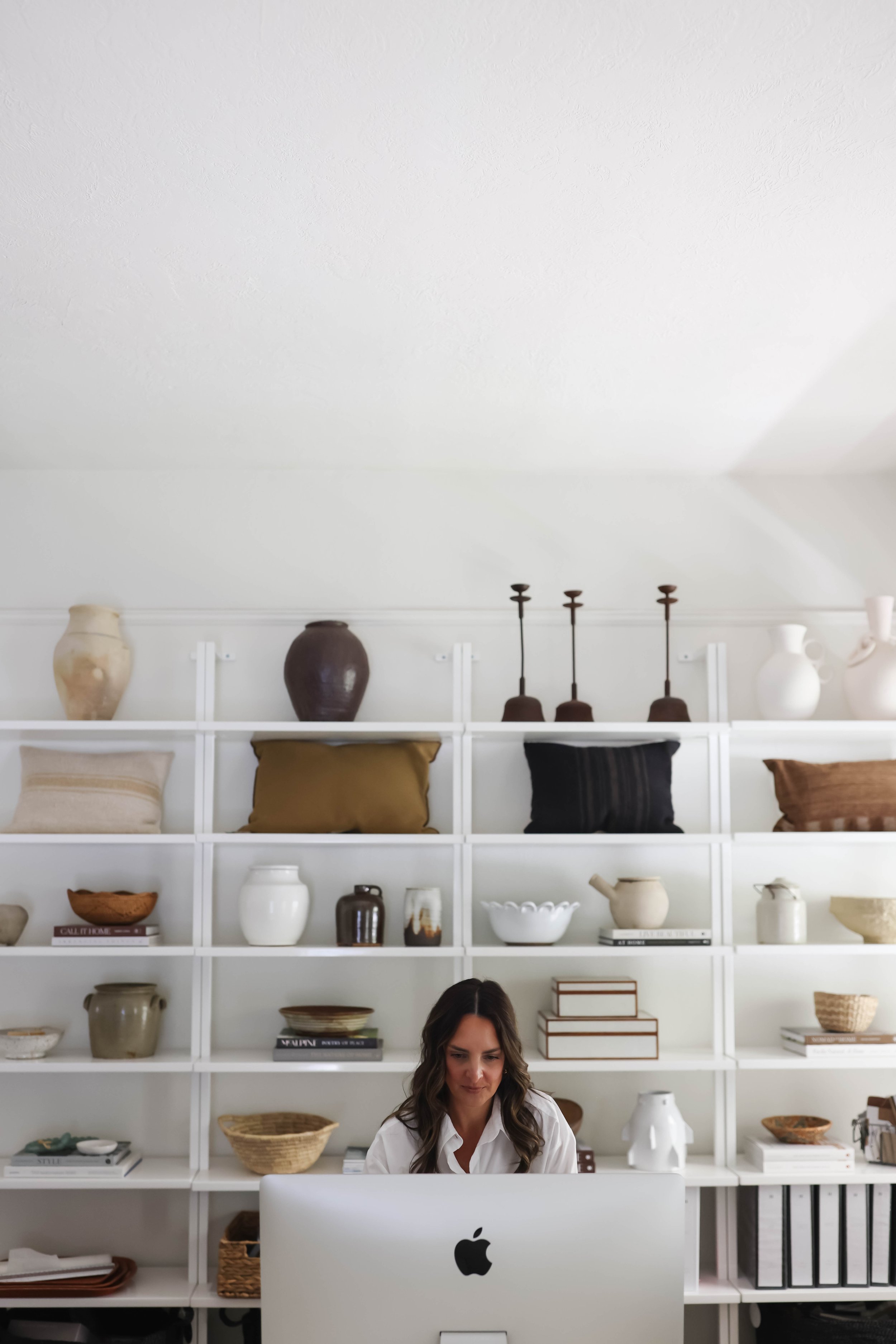
Not every beautiful material is the right choice for every home. A busy family with children, pets, and frequent entertaining will have different needs than a vacation retreat used only a few weeks each year. The best material selections strike a balance between beauty, durability, maintenance, and longevity, ensuring your home not only looks beautiful on day one but continues to perform well for years to come.
5. Treating Lighting as an Afterthought
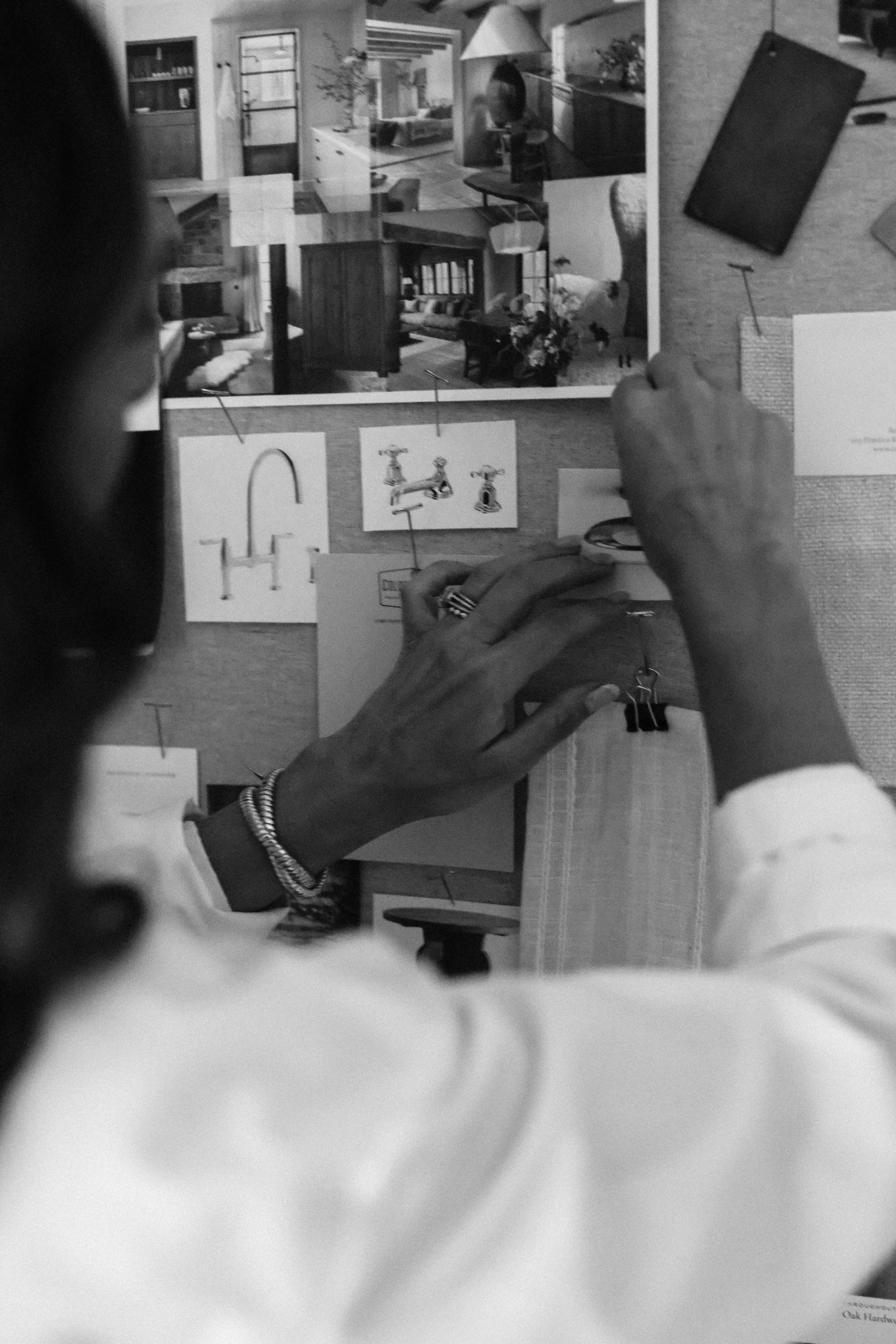
Lighting is one of the most important—and most overlooked—elements of great design. A thoughtful lighting plan combines architectural, decorative, task, and accent lighting to create warmth, highlight key features, and support how each space is used. When done well, lighting can completely transform the look and feel of a home.
6. Following Trends Instead of Creating Timeless Design
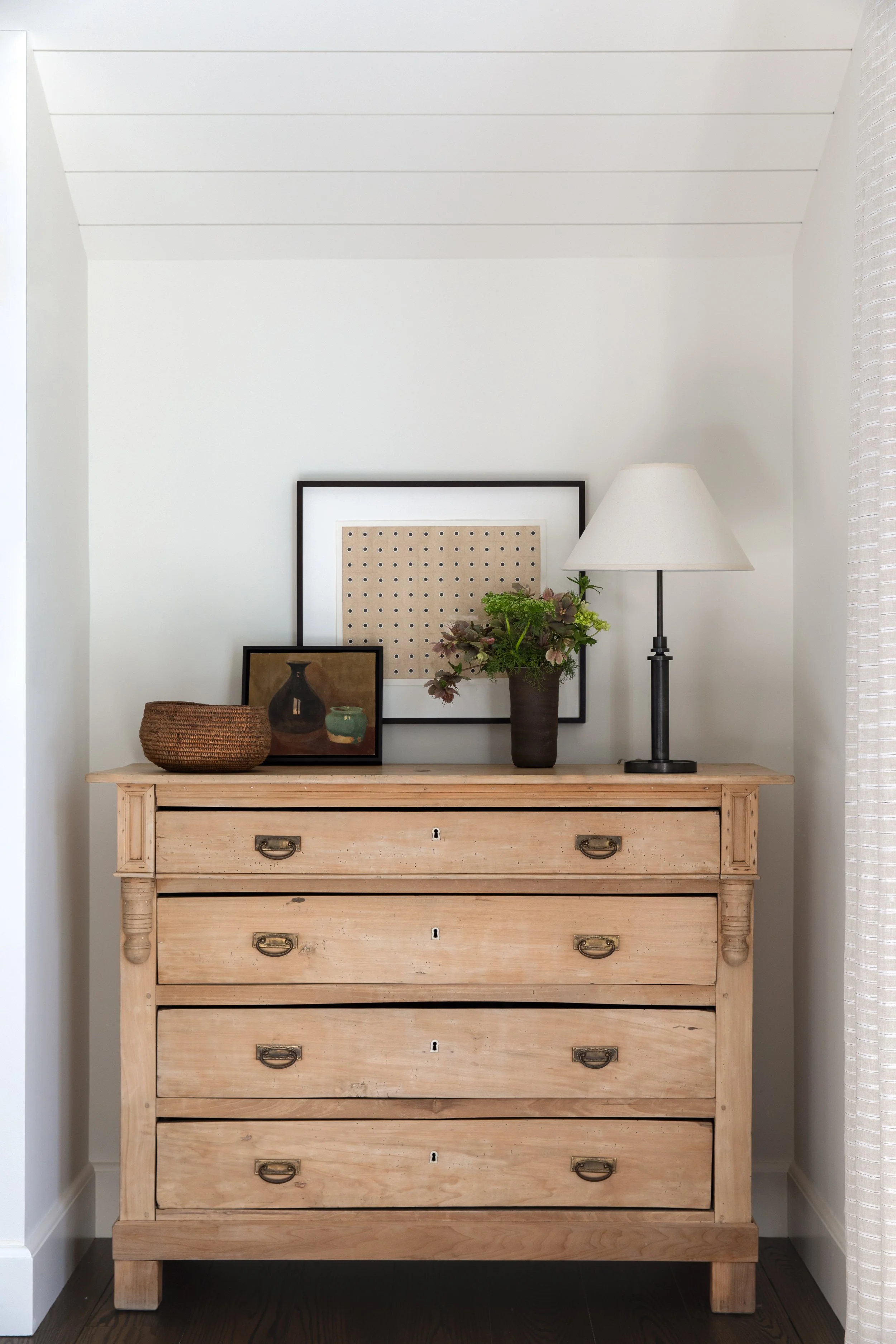
While we appreciate many design trends and some eventually become timeless classics we always encourage clients to think beyond what's popular at the moment. The most successful homes are rooted in thoughtful architecture, quality materials, and a design that reflects the people who live there. Rather than chasing every trend, we focus on creating spaces that feel personal, enduring, and beautiful for years to come.
7. Underinvesting in Furnishings
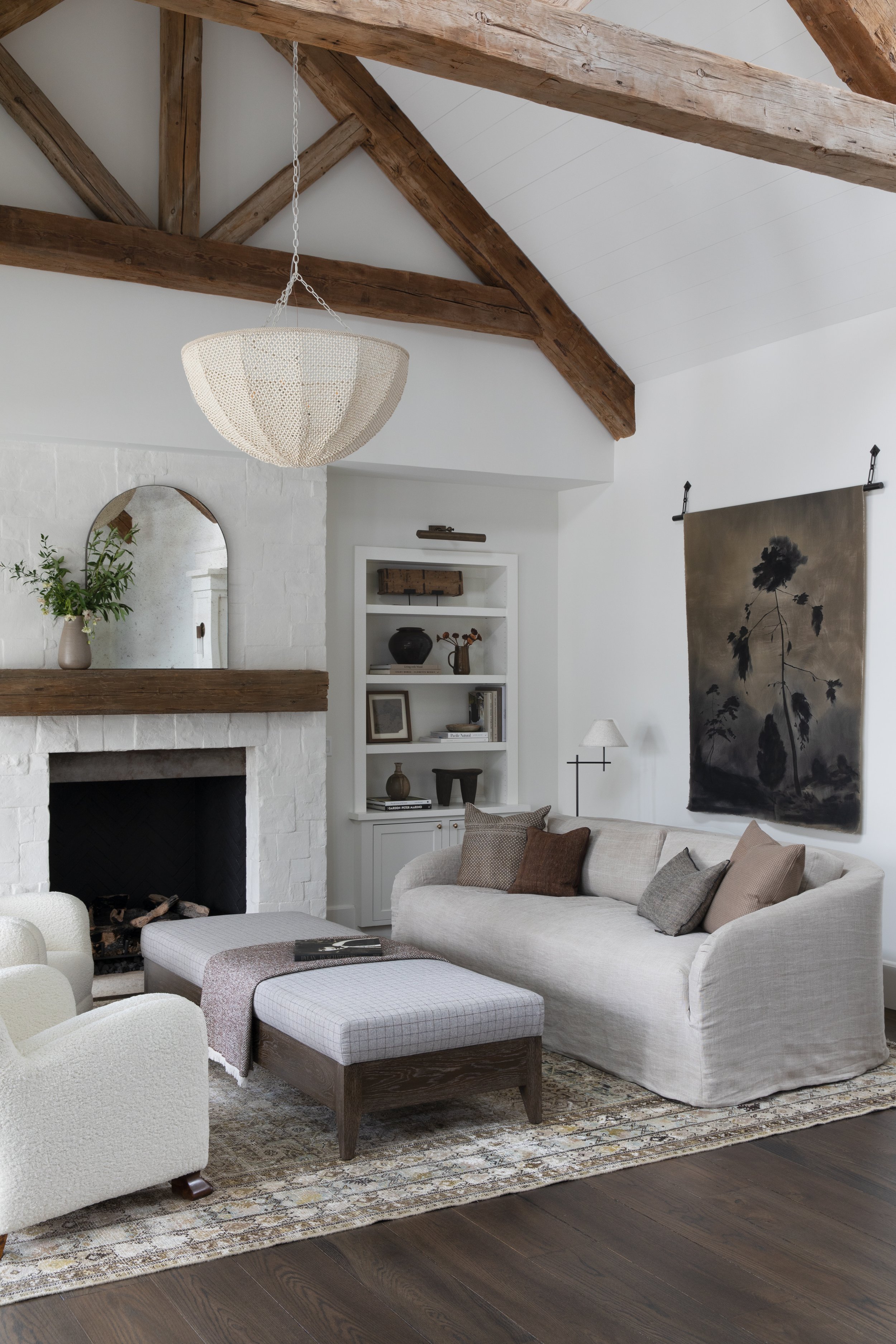
Many homeowners allocate the majority of their budget to construction and finishes, only to realize there's little left for furnishings. Yet the pieces you interact with every day—your sofa, dining chairs, bed, and lounge seating, often have the greatest impact on how comfortable and enjoyable a home feels. Thoughtfully selected furnishings are what ultimately bring a space to life and make it feel complete.
8. Ignoring Procurement Timelines
One of the most common causes of project delays is underestimating procurement timelines. Custom furnishings, lighting, plumbing fixtures, and specialty materials can often require months to source and manufacture. Planning ahead allows for better decision-making, helps keep construction on schedule, and minimizes costly surprises, rush fees, and last-minute substitutions.
If that excites you—you’re in the right place. Need more inspiration? Click below to follow us on Instagram for a look inside some of our past and present projects!